Crawl Space Insulation in Mesa: What You Need to Know
Alright, let's talk about crawl spaces for a minute. Here in Mesa, especially with our scorching summers and those surprisingly chilly winter nights, an uninsulated or poorly insulated crawl space isn't just a small problem – it's a total money pit. You're losing conditioned air, inviting pests, and making your HVAC system work way too hard. I see it all the time, particularly in those older ranch-style homes around Dobson Ranch or the ones built on post-tension slabs.
So, you're probably thinking about tackling this yourself, or at least understanding what the job involves. Good for you! Knowing what you're up against is half the battle, honestly. Here's my take on what you can realistically do and when you should definitely pick up the phone and call someone like us at Spray Foam Pros of Mesa.
Before You Even Think About Insulation
Before any insulation goes in, you've absolutely got to deal with the basics. This isn't optional; it's the foundation of the whole project. Skip this step, and you're just throwing good money after bad, believe me.
- Moisture Control: This is HUGE in Arizona. Even though we live in the desert, condensation can still be an issue, especially if you have plumbing leaks or poor drainage around your foundation. Go down there, check for any standing water, damp spots, or mold. If you find any, you need to fix the source first. This might mean improving exterior grading, repairing pipes, or installing a vapor barrier. A thick plastic vapor barrier (at least 6-mil) laid directly on the ground, extending up the foundation walls, is a must-have. Overlap the seams by at least 6 inches and tape them down. This is something you can absolutely do yourself. It's not glamorous work, but it's critical.
- Pest Control: Crawl spaces are like luxury hotels for rodents and insects if you leave them unchecked. Look for droppings, nests, or any entry points. Seal up any holes or gaps in your foundation walls with steel wool and expanding foam. You really don't want to trap pests in there with your new insulation. Again, this is a DIY job, but if you've got a serious infestation, call a pest control company first.
- Clean Up: Get rid of any debris, old insulation, or junk. You want a clean slate to work with. This can be a dusty, dirty job, so wear a good respirator, gloves, and old clothes.
Choosing Your Insulation: What Works Here
For crawl spaces, you've got a few options, but some are definitely better than others, especially considering our climate.
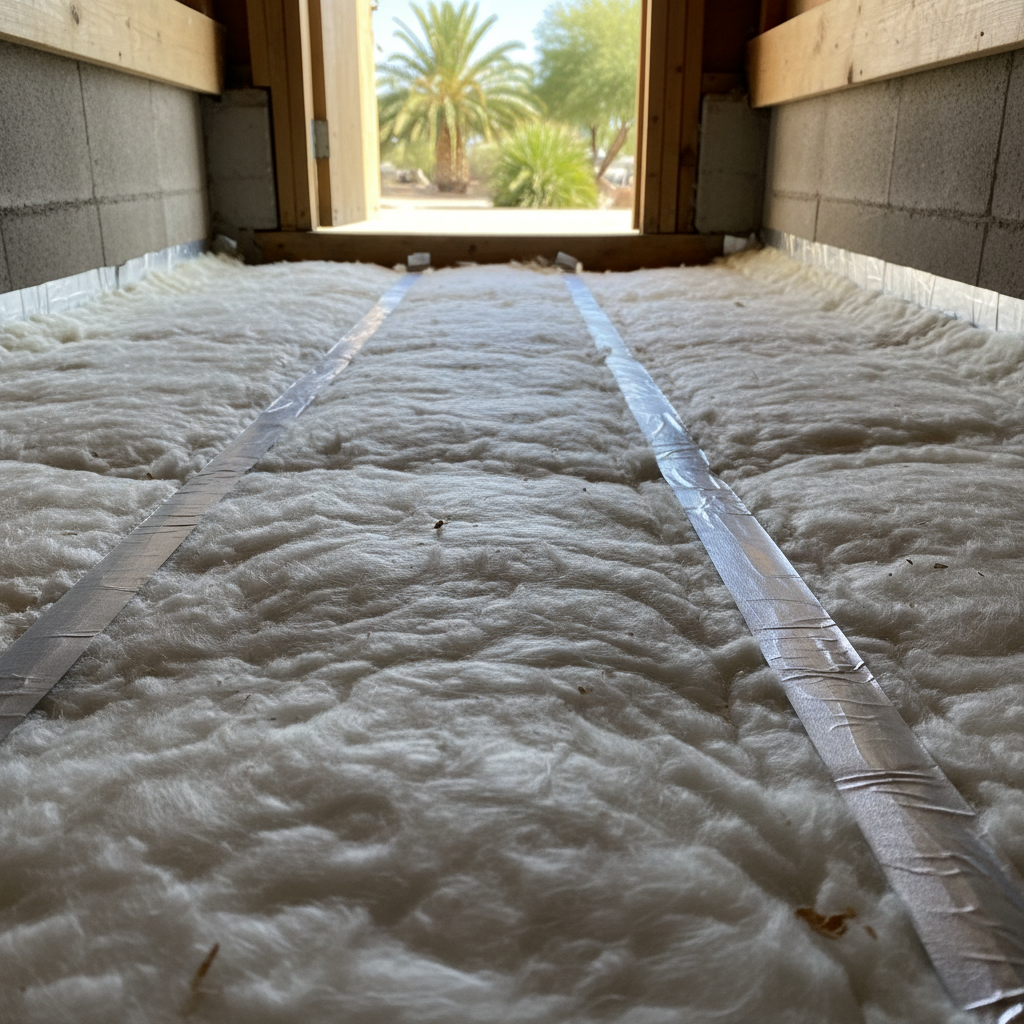
- Batt Insulation (Fiberglass or Mineral Wool): This is what a lot of folks think of first. You can install it between the floor joists. If you go this route, make sure the paper or foil facing is towards the heated space (upwards). The big problem with batts in a crawl space, especially if there's any moisture, is that they can sag, get damp, and lose their R-value. They also become a nice home for pests. If you're going to use batts, you absolutely need to secure them properly so they don't fall out, and make sure your moisture control is impeccable. This is a DIY-friendly option, but I'm not its biggest fan for crawl spaces here.
- Rigid Foam Boards (XPS, EPS, Polyiso): These are much better for crawl space walls and sometimes for the subfloor. They're moisture-resistant and provide a good, consistent R-value. You cut them to fit and secure them. This is also a good DIY option for the walls. You'll need a utility knife, a straightedge, and some foam-compatible adhesive or mechanical fasteners.
- Spray Foam Insulation (Open-Cell or Closed-Cell): Now you're talking my language. This is, hands down, the best option for crawl spaces in Mesa. It creates an airtight seal, stopping air leakage and moisture intrusion dead in its tracks. It adheres directly to the surfaces, so no sagging. Closed-cell spray foam also adds structural rigidity and acts as a vapor barrier. The downside? This is NOT a DIY project. The equipment is specialized, the chemicals need to be handled by trained professionals, and getting an even, effective application takes skill. This is where you call Spray Foam Pros of Mesa.
When to DIY vs. When to Call a Pro
Here's my honest advice:
DIY If You're Up For It:
- Vapor Barrier Installation: Laying down plastic sheeting and taping it up. Totally doable.
- Cleaning and Pest Proofing: Getting rid of debris and sealing small holes. Get in there and get it done.
- Rigid Foam Board Installation: If you're insulating the perimeter walls with foam boards, you can cut and fit these yourself. Just make sure seams are sealed with tape or caulk.
- Minor Batt Insulation Repair: If you just have a few fallen batts and your crawl space is dry as a bone, you can re-secure them.
Call a Pro (Like Us!) When:
- Any Major Moisture Issues: If you've got standing water, significant mold, or persistent dampness, you need professional assessment and remediation before insulation.
- Extensive Old Insulation Removal: If your old insulation is moldy, pest-infested, or just a huge mess, it's a nasty job. We have the right equipment and safety gear to remove it safely.
- Spray Foam Insulation: As I said, this is a job for the experts. We've got the training, the gear, and the experience to apply it correctly and safely, ensuring you get the full benefits. This includes insulating the rim joists and sealing all those little gaps that let our hot Mesa air in.
- Encapsulation: If you're looking for full crawl space encapsulation – sealing it off completely from the outside environment – that's a comprehensive project that involves more than just insulation. It's best handled by professionals to ensure proper ventilation, dehumidification, and sealing.
- Tight or Difficult Access: If your crawl space is super tight, full of pipes, or just plain hard to move around in, it's often safer and more effective to let someone who does this every day handle it.
Look, insulating your crawl space is one of the smartest things you can do for your Mesa home's energy efficiency and comfort. Don't cut corners, especially with moisture. Do what you can safely and effectively, and for the big stuff, give us a shout. We're here to help you get it right the first time.